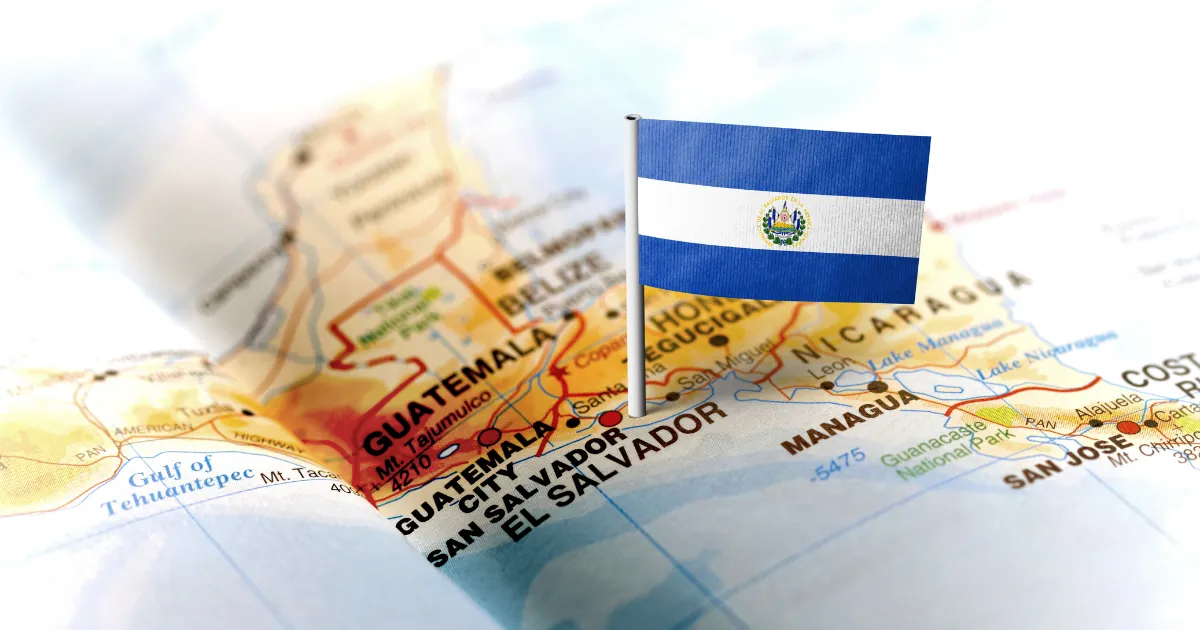
Liquidation & Dissolution in El Salvador
Formally dissolve and liquidate your Salvadoran S.A. de C.V., closing DGII, ONI, and Registro de Comercio obligations correctly so shareholders stay protected.
Liquidation & Dissolution in El Salvador: What You Need to Know
Dissolving a company in El Salvador requires shareholders to approve dissolution by a vote of at least three-quarters of shares, or by a statutory cause such as expiration of term or substantial capital loss, and to appoint a liquidator in the same act. The liquidator must be a Salvadoran citizen or a locally authorized legal entity, since a foreign parent cannot self-liquidate without a qualifying local liquidator. Both the dissolution agreement and the final liquidation deed must be executed as notarial deeds and registered at the Registro de Comercio, after which a 15-business-day waiting period applies before liquidators may distribute the corporate estate, to be completed within 30 business days. DGII must be notified of the dissolution, and NIT/NRC deregistration filed via Form F-213, backed by a final tax audit and solvency certificate from the Ministry of Finance, commonly the slowest step. Cancellation of the matrícula de comercio follows automatically once the liquidation deed is registered, provided the matrícula's annual renewal was kept current throughout. The DGII audit phase drives a realistic timeline of 6 to 12 months.
Key Requirements
Shareholders approve dissolution by a vote of at least three-quarters of shares (or the threshold set in the bylaws), or by a statutory cause such as expiration of term or substantial capital loss
A liquidator must be appointed in the same act that approves dissolution, and must be a Salvadoran citizen or a locally authorized legal entity, since a foreign parent cannot self-liquidate without a qualifying local liquidator
Both the dissolution agreement and the final liquidation deed must be executed as separate notarial deeds and registered at the Registro de Comercio, after which administrators' powers cease and no new operations are permitted
A 15-business-day waiting period applies after the dissolution agreement is inscribed before liquidators may distribute the corporate estate, which must then be completed within 30 business days
DGII must be notified of the dissolution under Código Tributario Art. 86, attaching the shareholders' meeting minutes and the registered liquidation deed
NIT/NRC deregistration filed via Form F-213, citing liquidation as the reason, backed by the registered liquidation deed, alongside a final tax audit and solvency certificate from the Ministry of Finance, commonly the slowest step in the process
Cancellation of the matrícula de comercio is granted once the liquidation deed is duly registered, but only if the matrícula's annual renewal has been kept current throughout, since a lapsed matrícula requires rehabilitation before any filing can proceed
Common Challenges
A lapsed matrícula de comercio blocks the whole process
The matrícula de comercio must be renewed annually, and a lapse triggers escalating surcharges. A company with a lapsed matrícula must rehabilitate it before it can even file to cancel, adding an unplanned step ahead of the actual liquidation filing.
Employer deregistration runs on its own track
Closing accounts with ISSS (social security) and the pension fund administrators (AFP), and confirming compliance with the Ministry of Labor, is separate from DGII and Registro de Comercio closure and easy to overlook.
The liquidator residency requirement surprises foreign owners
A wholly foreign-owned S.A. de C.V. cannot appoint an offshore parent-company officer as liquidator. It needs a Salvadoran-resident individual or an authorized local entity, a step most foreign owners don't anticipate when planning the closure.
How NavviPal Helps
Coordination of the dissolution agreement, liquidator appointment, and the two required notarial deeds in the correct sequence
Appointment of a qualified, Salvadoran-resident liquidator so the process isn't blocked on this requirement alone
Handling of the DGII notification, Form F-213 deregistration, and the final tax audit and solvency certificate
Employer deregistration with ISSS, the AFPs, and the Ministry of Labor, coordinated separately from the tax and registry filings
Frequently Asked Questions
What vote threshold do shareholders need to approve dissolution in El Salvador?
At least three-quarters of shares, or the threshold set in the bylaws, unless a statutory cause like expiration of term or substantial capital loss applies instead.
Can a foreign parent company appoint its own officer as liquidator in El Salvador?
No. The liquidator must be a Salvadoran citizen or a locally authorized legal entity, since a foreign parent cannot self-liquidate without a qualifying local liquidator.
How long must a company wait after registering its dissolution agreement before distributing assets in El Salvador?
15 business days, after which distribution must be completed within 30 business days.
What commonly is the slowest step when liquidating a company in El Salvador?
The DGII final tax audit and solvency certificate, required to support NIT/NRC deregistration via Form F-213.
Does a lapsed matrícula de comercio block liquidation filings in El Salvador?
Yes. A company with a lapsed matrícula must rehabilitate it before it can even file to cancel, adding an unplanned step ahead of the actual liquidation filing.
More on El Salvador
Explore related services and topics for El Salvador.
El Salvador: Full Overview
Liquidation & Dissolution Service
Company Formation in El Salvador
Cost & Fees in El Salvador
Accounting & Tax in El Salvador
Payroll in El Salvador
Corporate Compliance in El Salvador
Corporate Bank Account in El Salvador
Registered Address in El Salvador
Entity Management in El Salvador
Ready to manage Liquidation & Dissolution in El Salvador?
NavviPal handles every step so you can focus on building your business, not navigating bureaucracy.